Three weeks ago this blog covered the attack that switched off cooling in hundreds of French supermarkets: When the Fridges Went Dark. On the night of Sunday 1 November to Monday 2 November 2026, the same scenario played out again, this time across several countries at once.1
What happened on 2 November
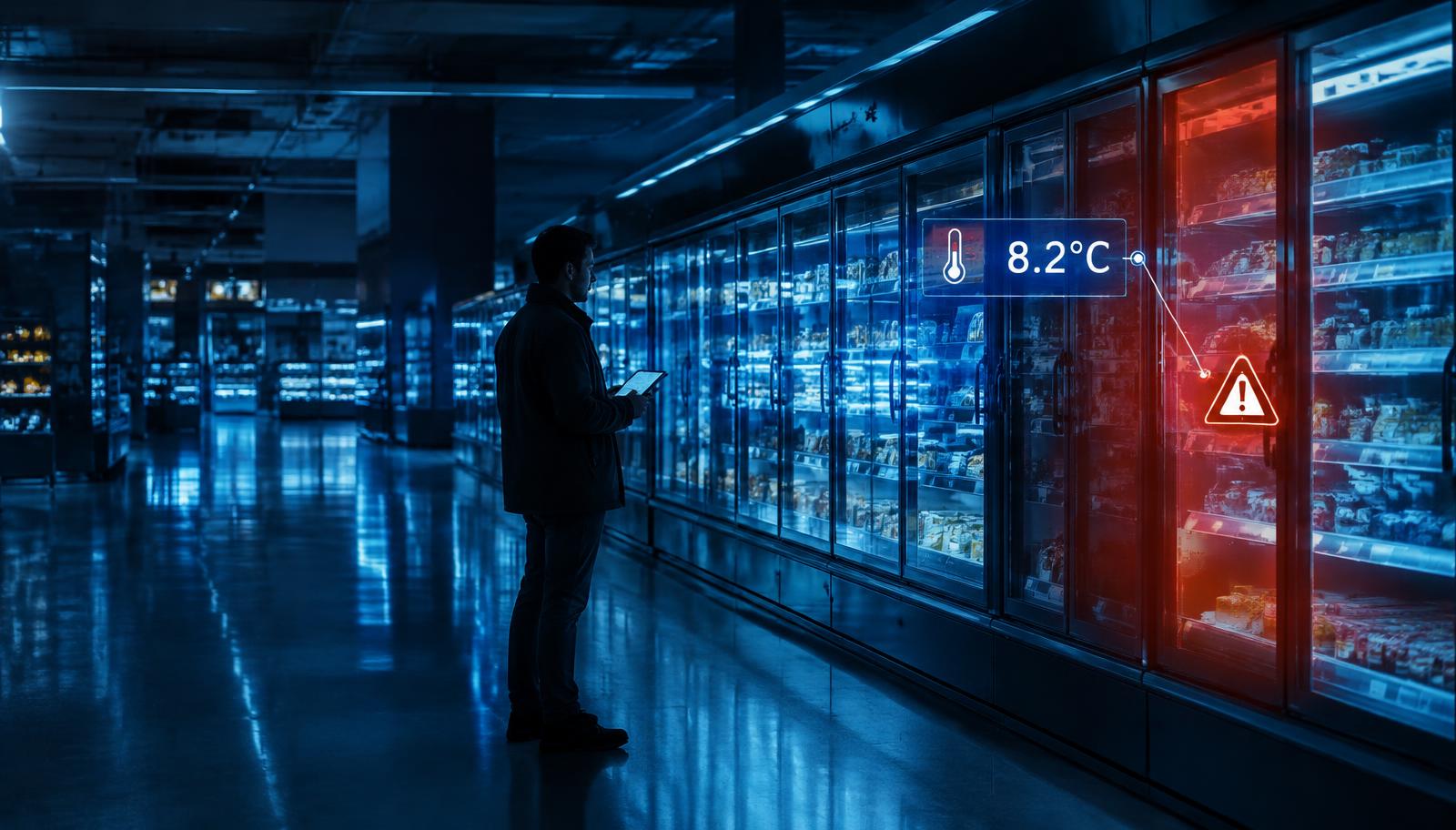
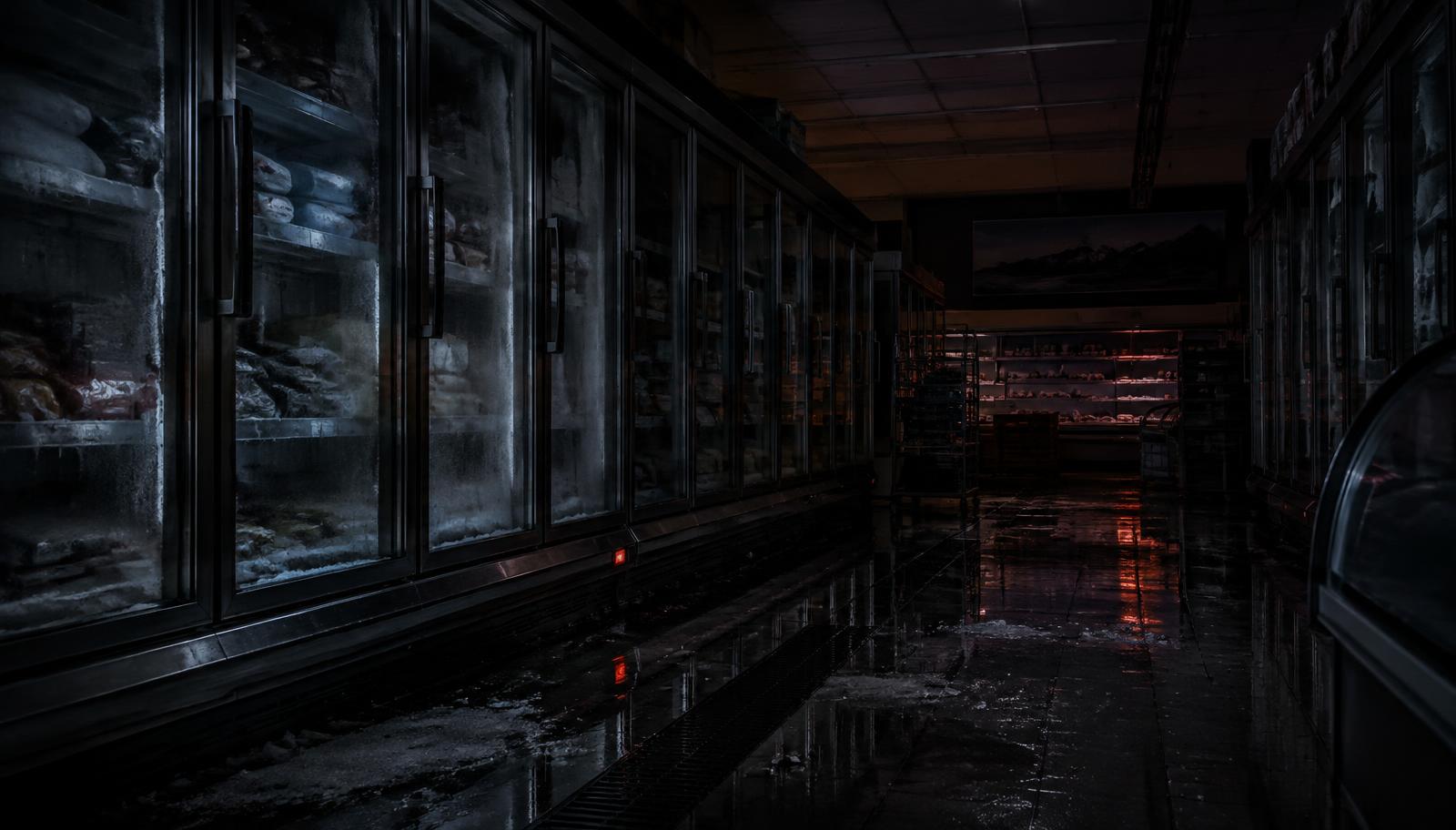
Store managers opened their doors on Monday morning to warm display cases and puddles on the floor. Chains in Belgium, Sweden, the Netherlands, Estonia, Luxembourg, Finland and Ireland reported fridge and freezer temperatures rising overnight, in some cases as high as 50°C.2
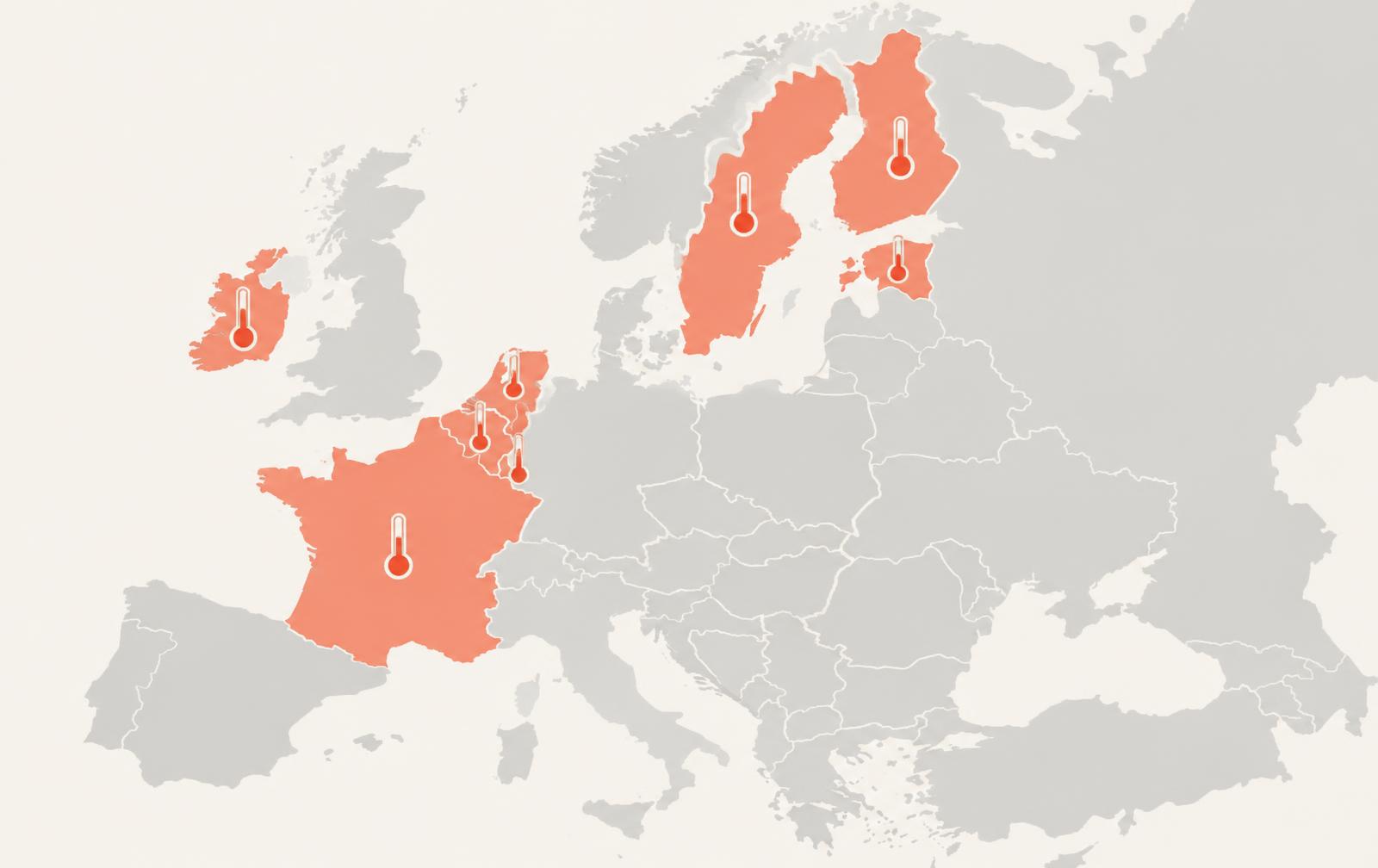
- Belgium: around 40 Delhaize Proxy stores, 15 Carrefour Shop & Go, 15 Intermarché and five Spar Q8 locations were reported affected. The federal prosecutor opened an investigation.2
- Sweden: ICA stores in Stockholm and Sjöbo discarded spoiled fresh and frozen goods.3
- Netherlands: Ahold Delhaize confirmed an IT incident affecting refrigeration in a number of stores.4
The refrigeration service company operating the Delhaize systems in Belgium said the evaporators had been switched to defrost mode. No group has claimed responsibility.4
What changed since France
In October the target was a single country. This time the wave crossed borders in a single night, which points to the same weakness: refrigeration controllers reachable from the internet through a web interface, often with outdated software and weak passwords.5 Security researchers had warned about these exposed units months earlier.6
Why it happened again
As explained in the earlier analysis, the core problem is that the same controller both runs the cooling and raises the alarm. Once an attacker controls that device, the alarm can be silenced while temperatures climb. Without a second, independent source of truth, the damage is only discovered when the shop opens.
A checklist for every food retailer
- Take refrigeration controllers off the public internet; allow remote access only through a VPN.
- Change default passwords and apply firmware updates, or replace unsupported units.
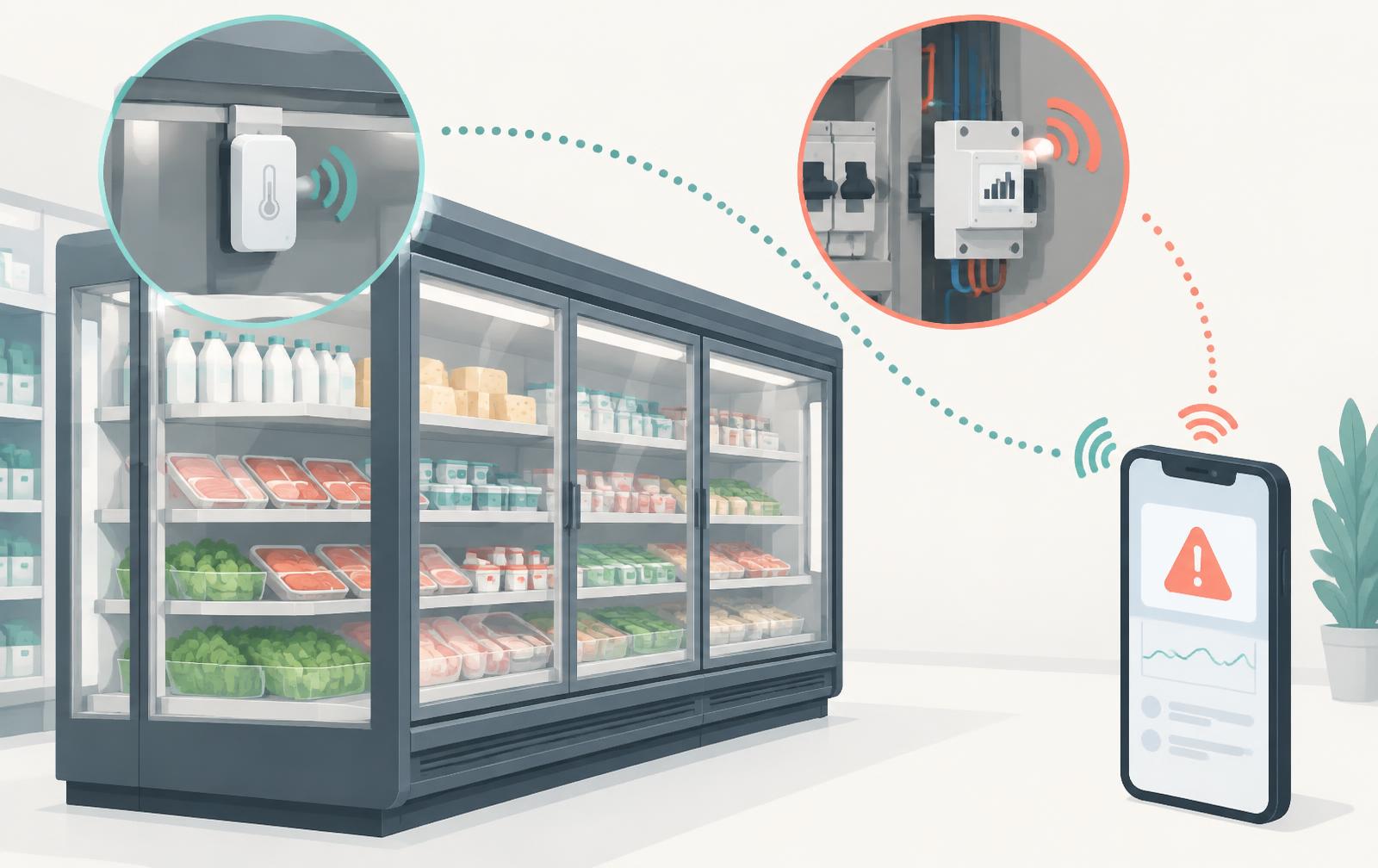
- Add independent wireless temperature sensors in every cold case, with alarms that do not depend on the controller.
- Monitor refrigeration circuits at the electrical panel; a sudden drop or defrost pattern at night is an early warning.
- Route night alarms to a person on call, not only to an email inbox.
How WorkyEtta helps
WorkyEtta combines independent cold chain sensors with energy data from the electrical panel. When a case warms up or a cooling circuit behaves unusually at 3 a.m., the alert reaches the responsible team within minutes, long before the stock is lost.
Sources
- NBC News: Supermarkets across Europe hit by new fridge cyberattacks
- Euronews: Cyberattacks hit supermarket fridges and freezers in Europe, Belgium launches investigation
- The Guardian: Shop fridges and freezers across Europe hit by fresh suspected cyber-attack
- The Register: Frozen part II: Hackers remotely defrost produce in Euro supermarkets, again
- France 24: Refrigeration cyberattacks highlight the risks of connecting industrial systems to the internet
- TechCrunch: A fresh wave of cyberattacks has hit Europe's supermarket refrigerators